
Modern interventional cardiology includes procedures that would previously have required major surgery or offered limited treatment alternatives. Catheter-based techniques can now address selected coronary blockages, structural defects, valve disorders and other complex cardiovascular conditions.
For patients with complicated heart disease, Advanced Cardiac Interventions can provide additional treatment possibilities, but advanced technology is useful only when matched with accurate diagnosis, appropriate patient selection and experienced procedural planning.
Patients seeking advanced cardiac care in Navi Mumbai should therefore evaluate the complete clinical pathway rather than focusing only on the name of a procedure.
Which Procedures Fall Into Advanced Interventional Care
The term can include several categories of treatment.
Depending on the patient's condition, these may involve:
- Complex coronary angioplasty
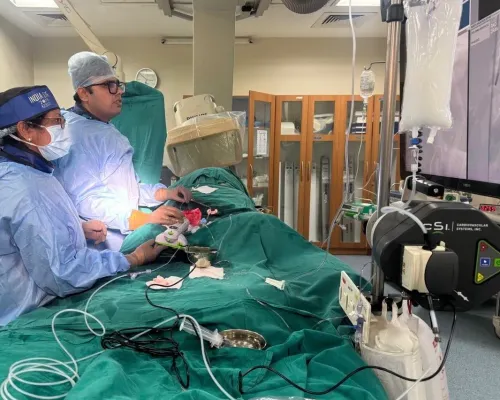
- Structural heart procedures
- Transcatheter valve treatment
- Left atrial appendage closure
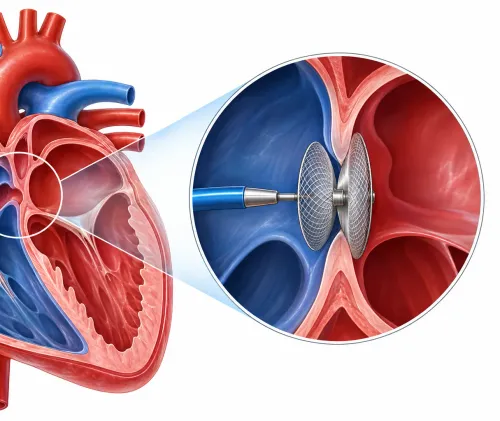
- Catheter-based septal defect closure
- Selected venous interventions
- IVC filter procedures
- Other specialised catheter-based cardiovascular treatments
These procedures differ substantially in purpose, risk and technical requirements.
A centre offering coronary angioplasty, for example, does not automatically have the same capabilities required for every structural heart procedure.
Detailed Diagnosis Should Come First
Before an advanced intervention is recommended, patients should expect a clear explanation of their diagnosis.
For coronary disease, this may require angiographic assessment plus specialised imaging or physiological evaluation.
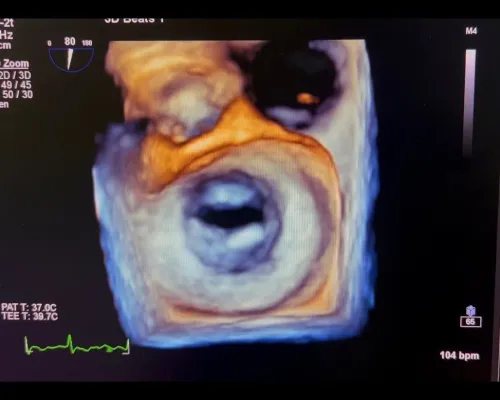
For structural heart disease, echocardiography, transesophageal imaging or CT planning may be needed.
The objective is to establish whether intervention is necessary and technically suitable.
Ask About Alternatives
One of the most useful questions during a consultation is simple:
What happens if I do not undergo this procedure?
The answer helps patients understand whether treatment is urgent, elective or one of several reasonable options.
Patients should also ask whether medication, conventional surgery, another catheter procedure or continued monitoring could be appropriate.
Advanced treatment should not mean bypassing established alternatives.
Understand Individual Procedural Risk
A procedure considered relatively straightforward for one patient may be complex for another.
Risk can be influenced by:
- Age
- Kidney function
- Previous cardiac surgery
- Bleeding risk
- Coronary anatomy
- Valve anatomy
- Heart pumping function
- Lung disease
- Frailty
- Other medical conditions
This is why treatment decisions should be individualised rather than based on another patient's outcome.
Evaluate the Follow-Up Pathway
Advanced cardiac procedures frequently require structured follow-up.
Depending on the treatment, patients may need echocardiography, medication adjustments, blood tests, rhythm monitoring or reassessment of heart function.
Before undergoing treatment, ask who will manage follow-up and what symptoms should prompt urgent medical review.
For patients in Navi Mumbai and nearby areas of Maharashtra, convenient access to post-procedure cardiology review can become an important part of the treatment experience.
Bring Complete Medical Records
Patients seeking a second opinion or advanced intervention assessment should bring as much relevant information as possible.
Useful records include:
- Recent ECGs
- Echocardiography reports
- Angiography images and reports
- CT or MRI cardiac imaging
- Previous procedure reports
- Hospital discharge summaries
- Current medication list
- Relevant blood-test results
Complete information can reduce unnecessary repetition and help the specialist understand previous treatment decisions.
Choose Care Based on Clinical Readiness
Patients should feel that the proposed procedure has a specific objective, supported by appropriate investigations.
The treating cardiologist should be able to explain expected benefits, important risks, alternatives and follow-up requirements in understandable terms.
Dr. Rajesh Matta provides interventional cardiology assessment at Anahat Heart Center for patients requiring complex cardiovascular evaluation. For those considering Advanced Cardiac Interventions in Navi Mumbai, the strongest indicator of readiness is a clearly established diagnosis combined with a procedure selected for a defined clinical reason.
Advanced cardiac care is ultimately not about choosing the most sophisticated procedure available. It is about choosing the treatment that appropriately addresses the patient's heart condition while balancing procedural risk, expected benefit and long-term cardiovascular needs.
Keywords