An atrial septal defect is an opening in the wall separating the two upper chambers of the heart. Some small defects may have little clinical significance, while larger defects can allow excessive blood flow toward the right side of the heart and lungs.
When closure is recommended, patients often want to know whether open surgery is necessary. In selected cases, Atrial Septal Defect Closure can be performed through a catheter using a closure device.
Choosing where to undergo evaluation in Navi Mumbai should involve more than simply asking whether device closure is offered.
Confirm the Exact Type of Defect
Not every atrial septal defect has the same anatomy.
The type, size and position of the opening influence whether catheter closure is technically possible.
Secundum atrial septal defects are commonly considered for device closure when suitable rims of tissue surround the opening. Other types of atrial septal defects may require surgical management.
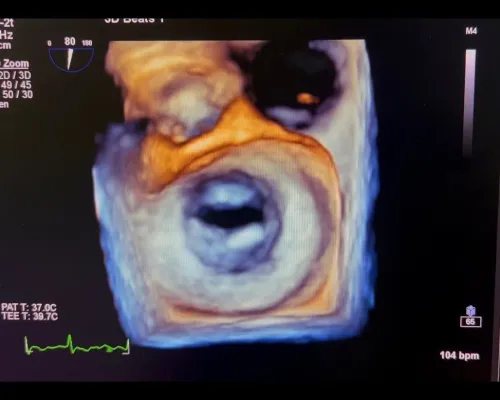
A detailed echocardiographic assessment is therefore essential before deciding on the treatment method.
Look for Comprehensive Imaging Assessment
Accurate imaging helps determine:
- Defect size
- Defect location
- Number of openings
- Available tissue margins
- Right heart enlargement
- Direction of blood flow
- Pulmonary artery pressure
- Associated cardiac abnormalities
In some cases, transesophageal echocardiography or additional imaging may be needed.
A provider should be able to explain how these findings influence treatment eligibility.
Ask Why Closure Is Necessary
An ASD should not be closed merely because it exists.
The cardiologist evaluates whether the defect is causing a meaningful shunt, enlargement of the right side of the heart, symptoms or other clinically important effects.
Certain patients with advanced pulmonary vascular disease may require particularly careful assessment because closure may not be appropriate.
The reason for intervention should therefore be clearly explained before treatment.
Understand Device Closure
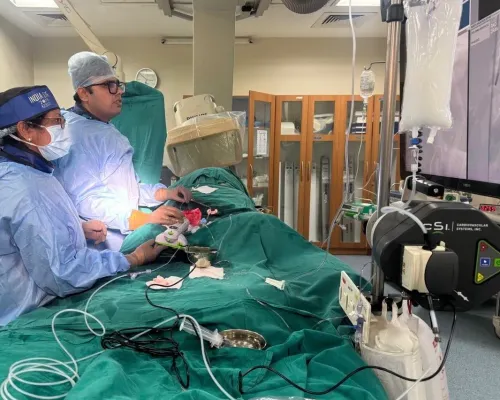
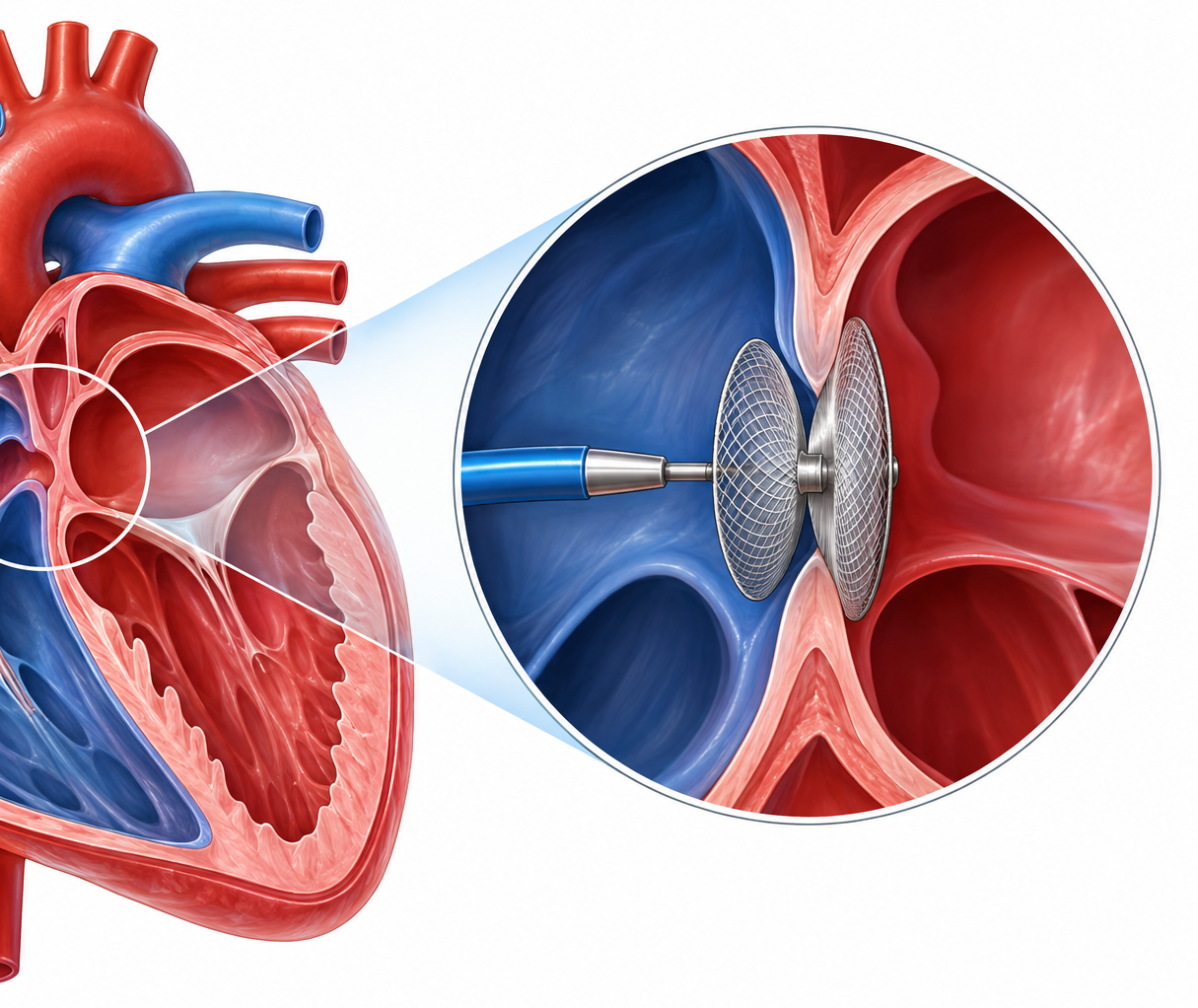
During catheter-based closure, a catheter is introduced through a vein and guided toward the heart.
A closure device is positioned across the defect. The device sits on both sides of the opening and blocks abnormal blood flow between the atria.
Over time, tissue grows over the device.
Patients should ask about the proposed device, procedural imaging, expected hospital stay and medication requirements after closure.
Review Experience With Structural Procedures
Atrial septal defect closure requires more than catheter access. It involves structural heart imaging, device selection, accurate deployment and recognition of complications.
When selecting a cardiac provider, consider whether there is an organised pathway for:
- Pre-procedure imaging
- Structural heart assessment
- Device selection
- Periprocedural monitoring
- Post-procedure echocardiography
- Medication guidance
- Long-term follow-up
This is particularly relevant for families travelling within Navi Mumbai or from other parts of Maharashtra who want follow-up to remain practical after the procedure.
Know What Follow-Up Involves
After device closure, follow-up echocardiography may be used to evaluate device position and confirm the result.
Patients may also receive temporary antiplatelet treatment according to the treating cardiologist's recommendations.
Advice about physical activity, dental procedures and infection prevention should be followed according to the individual treatment plan.
Dr. Rajesh Matta provides structural heart and interventional cardiology assessment at Anahat Heart Center. When considering Atrial Septal Defect Closure, patients should choose a pathway that begins with accurate diagnosis and ends with appropriate follow-up. The most important readiness indicator is not simply availability of a closure device, but evidence that the defect has been carefully evaluated for suitability before intervention.
Keywords