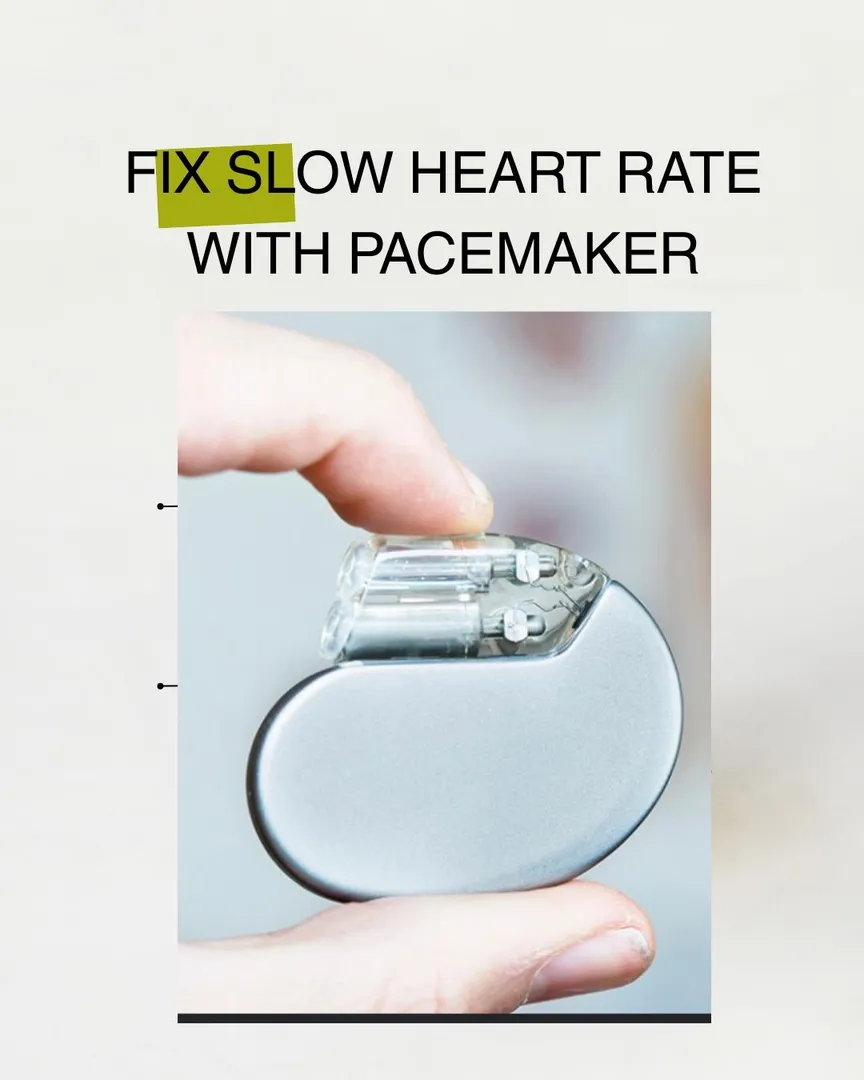
A pacemaker is a small medical device implanted in the chest to help regulate abnormal heart rhythms. It sends electrical impulses to the heart to maintain a steady heartbeat, especially in people suffering from slow heart rates or irregular heart rhythms.
Modern pacemakers are highly advanced, minimally invasive, and designed to improve quality of life while reducing the risk of serious cardiac complications.
What Is a Pacemaker?
A pacemaker is a battery-operated device placed under the skin near the chest. It helps control abnormal heart rhythms, medically known as arrhythmias.
The device consists of:
Pulse Generator: Contains the battery and electrical circuitry
Leads (Wires): Deliver electrical signals to the heart
Electrodes: Attached to the heart muscle to monitor and regulate heartbeat
Pacemakers continuously monitor the heart and send electrical impulses only when needed.
Why Is a Pacemaker Needed?
Doctors may recommend a pacemaker for patients experiencing:
* Slow heartbeat (Bradycardia)
* Irregular heart rhythms
* Heart block
* Fainting spells due to heart rhythm issues
* Congenital heart defects
* Heart failure in some cases
A pacemaker helps restore normal heart function and improves blood circulation throughout the body.
Types of Pacemakers
1. Single Chamber Pacemaker
Uses one lead connected to either the right atrium or right ventricle.
2. Dual Chamber Pacemaker
Uses two leads to coordinate signals between the upper and lower heart chambers.
3. Biventricular Pacemaker
Used in patients with heart failure to improve synchronization of heart contractions.
4. Leadless Pacemaker
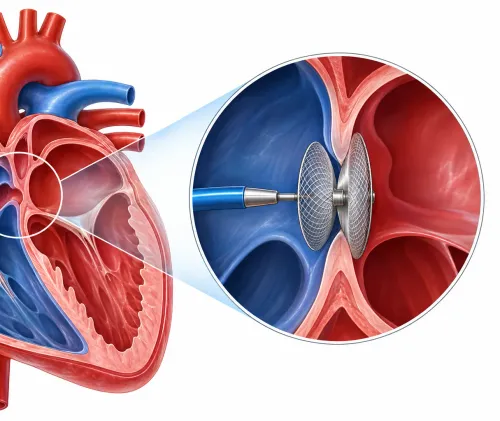
A newer compact device implanted directly inside the heart without traditional leads.
Symptoms That May Indicate You Need a Pacemaker
You should consult our cardiologist if you experience:
* Dizziness
* Fatigue
* Shortness of breath
* Chest discomfort
* Frequent fainting
* Slow pulse rate
* Heart palpitations
Early diagnosis can help prevent severe cardiac complications.
Pacemaker Implantation Procedure
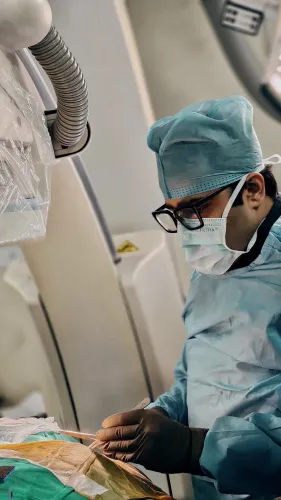
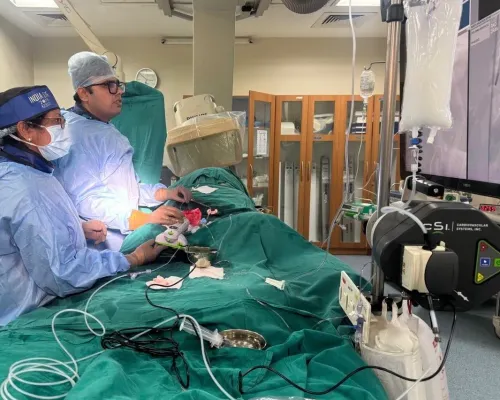
Pacemaker implantation is generally a minimally invasive procedure performed under local anesthesia & Usually takes 1–2 hours. Most patients are discharged within 24–48 hours.
Benefits of a Pacemaker
A pacemaker offers several health benefits, including:
* Improved heart rhythm
* Better energy levels
* Reduced dizziness and fainting
* Enhanced quality of life
* Better exercise tolerance
* Lower risk of cardiac complications
Many patients return to normal daily activities shortly after recovery, which is generally quick and smooth with proper care. Most individuals can resume regular activities within a few weeks.
Living with a Pacemaker
People with pacemakers can live active and healthy lives. Modern devices are durable and designed to last 8–15 years depending on usage.
Conclusion
A pacemaker is an effective and reliable treatment for managing abnormal heart rhythms and improving heart function. With modern technology and expert cardiac care, pacemaker implantation is safer and more comfortable than ever before.
If you experience symptoms of irregular heartbeat or slow heart rate, consult a qualified cardiologist to determine whether a pacemaker may be right for you.
Modern pacemakers are highly advanced, minimally invasive, and designed to improve quality of life while reducing the risk of serious cardiac complications.
What Is a Pacemaker?
A pacemaker is a battery-operated device placed under the skin near the chest. It helps control abnormal heart rhythms, medically known as arrhythmias.
The device consists of:
Pulse Generator: Contains the battery and electrical circuitry
Leads (Wires): Deliver electrical signals to the heart
Electrodes: Attached to the heart muscle to monitor and regulate heartbeat
Pacemakers continuously monitor the heart and send electrical impulses only when needed.
Why Is a Pacemaker Needed?
Doctors may recommend a pacemaker for patients experiencing:
* Slow heartbeat (Bradycardia)
* Irregular heart rhythms
* Heart block
* Fainting spells due to heart rhythm issues
* Congenital heart defects
* Heart failure in some cases
A pacemaker helps restore normal heart function and improves blood circulation throughout the body.
Types of Pacemakers
1. Single Chamber Pacemaker
Uses one lead connected to either the right atrium or right ventricle.
2. Dual Chamber Pacemaker
Uses two leads to coordinate signals between the upper and lower heart chambers.
3. Biventricular Pacemaker
Used in patients with heart failure to improve synchronization of heart contractions.
4. Leadless Pacemaker
A newer compact device implanted directly inside the heart without traditional leads.
Symptoms That May Indicate You Need a Pacemaker
You should consult our cardiologist if you experience:
* Dizziness
* Fatigue
* Shortness of breath
* Chest discomfort
* Frequent fainting
* Slow pulse rate
* Heart palpitations
Early diagnosis can help prevent severe cardiac complications.
Pacemaker Implantation Procedure
Pacemaker implantation is generally a minimally invasive procedure performed under local anesthesia & Usually takes 1–2 hours. Most patients are discharged within 24–48 hours.
Benefits of a Pacemaker
A pacemaker offers several health benefits, including:
* Improved heart rhythm
* Better energy levels
* Reduced dizziness and fainting
* Enhanced quality of life
* Better exercise tolerance
* Lower risk of cardiac complications
Many patients return to normal daily activities shortly after recovery, which is generally quick and smooth with proper care. Most individuals can resume regular activities within a few weeks.
Living with a Pacemaker
People with pacemakers can live active and healthy lives. Modern devices are durable and designed to last 8–15 years depending on usage.
Conclusion
A pacemaker is an effective and reliable treatment for managing abnormal heart rhythms and improving heart function. With modern technology and expert cardiac care, pacemaker implantation is safer and more comfortable than ever before.
If you experience symptoms of irregular heartbeat or slow heart rate, consult a qualified cardiologist to determine whether a pacemaker may be right for you.
Keywords