
Atrial fibrillation is a common heart rhythm disorder that can increase the risk of stroke. In many patients with atrial fibrillation, blood can collect in a small pouch in the upper left chamber of the heart called the left atrial appendage. When blood remains relatively stagnant in this area, a clot may form. If that clot enters the bloodstream, it can potentially travel to the brain and cause a stroke.
Left Atrial Appendage Closure is a minimally invasive structural heart procedure designed to seal this pouch in carefully selected patients. For people in Navi Mumbai seeking options for managing stroke risk associated with atrial fibrillation, understanding where this procedure fits into treatment can make cardiology consultations more productive.
Why the Left Atrial Appendage Matters
The left atrial appendage is a small sac connected to the left atrium. It normally does not cause problems, but atrial fibrillation can interfere with the heart's coordinated pumping action.
This may allow blood to pool inside the appendage and create conditions where clots can develop.
Blood-thinning medicines are commonly used to reduce stroke risk. However, long-term anticoagulation may not be appropriate for every patient. Some people experience significant bleeding, have a high bleeding risk, or have other medical considerations that make prolonged anticoagulant therapy difficult.
In selected cases, closure of the left atrial appendage may therefore be evaluated as an alternative strategy.
How the Procedure Is Performed
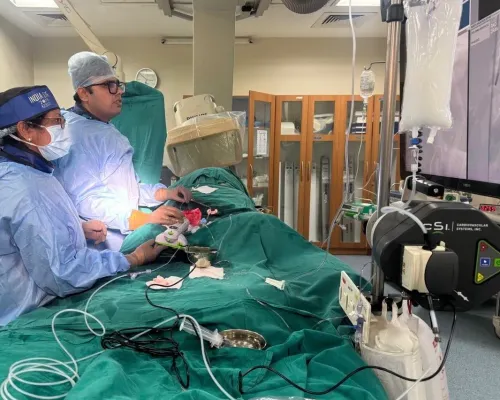
Left atrial appendage closure is generally performed through a catheter-based approach.
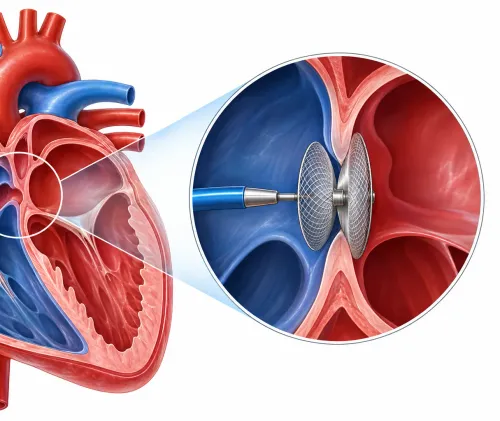
A thin catheter is introduced through a blood vessel, commonly from the groin, and carefully guided toward the heart. The cardiologist positions a specially designed closure device at the opening of the left atrial appendage.
Once appropriately positioned, the device helps prevent blood from entering the appendage and reduces the possibility of clots formed there entering the circulation.
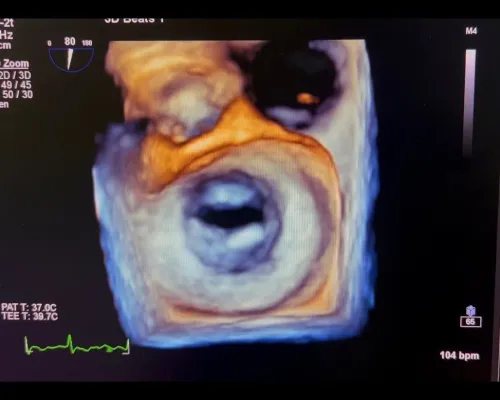
Imaging plays an important role during the procedure. Echocardiography and fluoroscopic imaging may be used to assess heart anatomy and guide accurate device placement.
Who May Be Evaluated for This Procedure
Left atrial appendage closure is not automatically recommended for everyone with atrial fibrillation.
A cardiologist may consider several factors, including:
- Type and duration of atrial fibrillation
- Individual stroke risk
- Previous bleeding episodes
- Ability to tolerate anticoagulant medicines
- Previous stroke or transient ischemic attack
- Heart structure and left atrial appendage anatomy
- Kidney function and other medical conditions
- Overall procedural risk
The decision should be based on an individual assessment rather than age or diagnosis alone.
What Happens Before Treatment
Before recommending the procedure, the cardiac team may conduct an ECG, echocardiography, blood tests and detailed medical assessment. Transesophageal echocardiography or other cardiac imaging may be required to understand the size and shape of the appendage and to check for existing clots.
Patients should also provide complete information about medications, previous bleeding events and earlier heart procedures.
Follow-Up Remains Important
Successful device placement does not mean cardiac follow-up ends. Imaging may be recommended after the procedure to evaluate device position, sealing and healing.
Medication requirements can also change during recovery. Patients should never discontinue anticoagulant or antiplatelet medicines without instructions from their treating cardiologist.
For patients across Navi Mumbai and the wider Maharashtra region, access to structural heart expertise can be particularly relevant when conventional long-term stroke-prevention strategies present difficulties.
Dr. Rajesh Matta evaluates patients with complex cardiac conditions at Anahat Heart Center, including those who may require structural heart interventions. A detailed cardiology assessment helps determine whether Left Atrial Appendage Closure is appropriate, whether medication should remain the preferred strategy, or whether another approach better matches the patient's clinical needs.
Keywords