
Being advised to undergo angioplasty can create several practical questions. Patients often want to know why the procedure is required, whether a stent will definitely be needed, what medicines should be continued and how much recovery time to expect.
A structured discussion before Percutaneous Coronary Intervention can help patients understand the procedure and participate more confidently in treatment decisions.
For patients considering PCI in Navi Mumbai, the following points are particularly useful to clarify before a planned intervention.
Confirm Why PCI Is Being Recommended
PCI is a catheter-based procedure used to improve blood flow through significantly narrowed or blocked coronary arteries.
The reason for performing it should be clear.
Ask whether the recommendation is based on:
- Persistent angina despite appropriate medication
- Acute coronary syndrome
- A heart attack
- Evidence of significant ischemia
- Coronary angiography findings
- A physiologically important coronary narrowing
- Another specific cardiac indication
The presence of a visible narrowing does not automatically mean every patient needs immediate stenting.
Understand the Planned Access Route
PCI can commonly be performed through the radial artery at the wrist or the femoral artery in the groin.
The access route depends on several factors, including coronary anatomy, procedural complexity, previous procedures and the patient's vascular condition.
Knowing the planned route can also help you understand post-procedure mobility and access-site precautions.
Discuss Your Current Medicines
Bring a complete medication list to the consultation.
This is especially important if you take:
- Blood thinners
- Antiplatelet medicines
- Diabetes medications
- Blood pressure medicines
- Diuretics
- Kidney-related medication
- Supplements that could affect bleeding
Do not independently stop medicines before PCI. The cardiologist should provide specific instructions.
Ask About Kidney Function
Contrast material is commonly used during coronary angiography and PCI. Patients with reduced kidney function may require additional assessment and precautions.
Tell the treating team if you have chronic kidney disease, previous contrast-related problems or recent abnormal kidney tests.
Understand the Role of a Stent
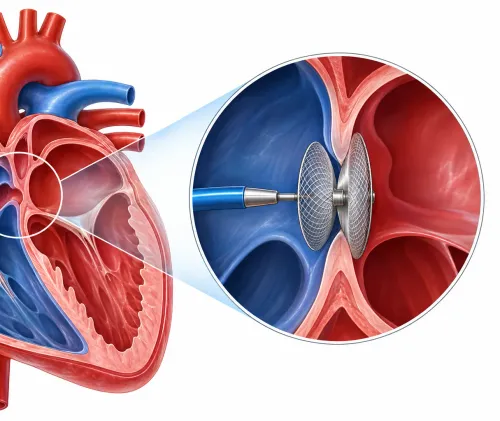
During PCI, a balloon may be used to open a narrowed segment and a coronary stent may be implanted to support the artery.
Ask what type of stent is being considered and why.
It is also important to understand the antiplatelet medicines that may be required afterward. These medicines help reduce the risk of clot formation within the stent.
Clarify the Complexity of the Blockage
Not every PCI has the same level of difficulty.
Factors such as heavy calcification, bifurcation disease, long lesions, chronic total occlusion, left main disease or previous bypass surgery can affect procedural planning.
Additional intravascular imaging or specialised equipment may sometimes be appropriate.
Plan for Recovery
Before leaving the hospital, patients should understand:
- Which medicines to take.
- How to care for the access site.
- When normal activity can resume.
- Which symptoms require urgent attention.
- When the next cardiology review is due.
- Whether cardiac rehabilitation is recommended.
These instructions can be as important as the procedure itself.
For patients in Navi Mumbai and elsewhere in Maharashtra, access to timely follow-up is worth considering when choosing where to undergo an elective cardiac intervention.
Dr. Rajesh Matta provides interventional cardiology assessment at Anahat Heart Center. Before Percutaneous Coronary Intervention, patients benefit from understanding the indication, expected procedure, medication plan and recovery requirements. A well-informed decision helps ensure that angioplasty is approached as one component of comprehensive coronary care rather than an isolated technical procedure.
Percutaneous Coronary Intervention Checklist Before Angioplasty
Being advised to undergo angioplasty can create several practical questions. Patients often want to know why the procedure is required, whether a stent will definitely be needed, what medicines should be continued and how much recovery time to expect.
A structured discussion before Percutaneous Coronary Intervention can help patients understand the procedure and participate more confidently in treatment decisions.
For patients considering PCI in Navi Mumbai, the following points are particularly useful to clarify before a planned intervention.
Confirm Why PCI Is Being Recommended
PCI is a catheter-based procedure used to improve blood flow through significantly narrowed or blocked coronary arteries.
The reason for performing it should be clear.
Ask whether the recommendation is based on:
- Persistent angina despite appropriate medication
- Acute coronary syndrome
- A heart attack
- Evidence of significant ischemia
- Coronary angiography findings
- A physiologically important coronary narrowing
- Another specific cardiac indication
The presence of a visible narrowing does not automatically mean every patient needs immediate stenting.
Understand the Planned Access Route
PCI can commonly be performed through the radial artery at the wrist or the femoral artery in the groin.
The access route depends on several factors, including coronary anatomy, procedural complexity, previous procedures and the patient's vascular condition.
Knowing the planned route can also help you understand post-procedure mobility and access-site precautions.
Discuss Your Current Medicines
Bring a complete medication list to the consultation.
This is especially important if you take:
- Blood thinners
- Antiplatelet medicines
- Diabetes medications
- Blood pressure medicines
- Diuretics
- Kidney-related medication
- Supplements that could affect bleeding
Do not independently stop medicines before PCI. The cardiologist should provide specific instructions.
Ask About Kidney Function
Contrast material is commonly used during coronary angiography and PCI. Patients with reduced kidney function may require additional assessment and precautions.
Tell the treating team if you have chronic kidney disease, previous contrast-related problems or recent abnormal kidney tests.
Understand the Role of a Stent
During PCI, a balloon may be used to open a narrowed segment and a coronary stent may be implanted to support the artery.
Ask what type of stent is being considered and why.
It is also important to understand the antiplatelet medicines that may be required afterward. These medicines help reduce the risk of clot formation within the stent.
Clarify the Complexity of the Blockage
Not every PCI has the same level of difficulty.
Factors such as heavy calcification, bifurcation disease, long lesions, chronic total occlusion, left main disease or previous bypass surgery can affect procedural planning.
Additional intravascular imaging or specialised equipment may sometimes be appropriate.
Plan for Recovery
Before leaving the hospital, patients should understand:
- Which medicines to take.
- How to care for the access site.
- When normal activity can resume.
- Which symptoms require urgent attention.
- When the next cardiology review is due.
- Whether cardiac rehabilitation is recommended.
These instructions can be as important as the procedure itself.
For patients in Navi Mumbai and elsewhere in Maharashtra, access to timely follow-up is worth considering when choosing where to undergo an elective cardiac intervention.
Dr. Rajesh Matta provides interventional cardiology assessment at Anahat Heart Center. Before Percutaneous Coronary Intervention, patients benefit from understanding the indication, expected procedure, medication plan and recovery requirements. A well-informed decision helps ensure that angioplasty is approached as one component of comprehensive coronary care rather than an isolated technical procedure.
Keywords