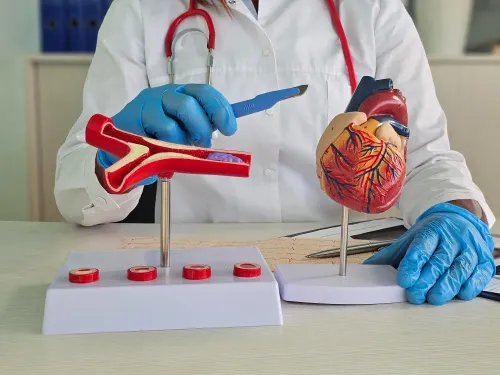
Many people associate interventional cardiology primarily with angioplasty. Modern catheter-based cardiology, however, extends well beyond blocked coronary arteries.
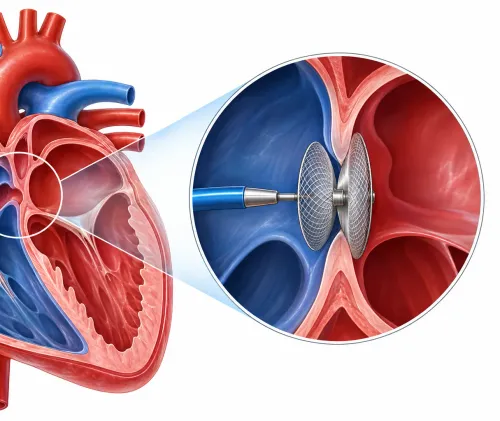
Structural Heart Intervention focuses on abnormalities involving heart valves, chambers, septal defects and other structural components of the heart. Advances in catheter technology have created treatment possibilities for selected patients who may otherwise require conventional open-heart surgery or who face increased surgical risk.
For patients in Navi Mumbai with valve disease or structural heart abnormalities, understanding these options can help when evaluating recommendations from a cardiac team.
Which Conditions Can Be Treated
Structural heart procedures cover several different cardiac problems.
Depending on the patient's diagnosis and anatomy, catheter-based treatment may be considered for conditions such as:
- Severe aortic valve disease
- Selected mitral valve disorders
- Selected tricuspid valve disorders
- Atrial septal defects
- Patent foramen ovale in specific clinical situations
- Left atrial appendage closure in selected atrial fibrillation patients
- Certain paravalvular leaks
- Other carefully selected structural abnormalities
Each condition requires its own diagnostic pathway. Structural heart treatment is therefore not a single procedure.
Catheter Treatment Compared With Conventional Surgery
Traditional cardiac surgery provides effective treatment for many structural heart conditions and remains the preferred option for numerous patients.
Catheter-based procedures offer a different approach.
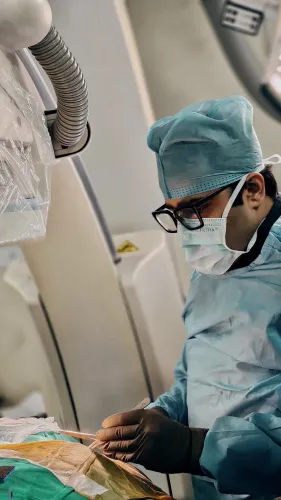
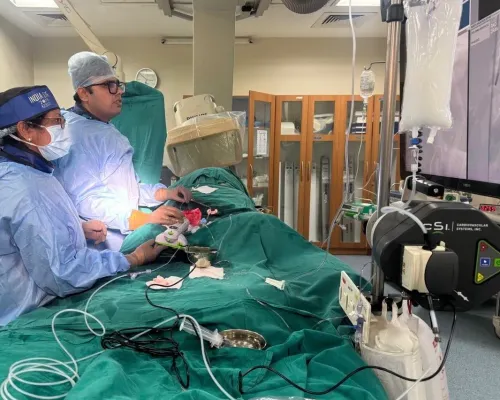
Instead of opening the chest, the specialist generally reaches the heart through blood vessels using catheters. This can reduce surgical trauma in suitable patients.
However, less invasive does not automatically mean better for everyone.
The choice depends on factors such as:
- Patient age
- Surgical risk
- Valve anatomy
- Previous heart surgery
- Severity of symptoms
- Heart pumping function
- Other medical conditions
- Expected durability of treatment
- Technical feasibility
The appropriate treatment may therefore be surgery, catheter intervention, medication or continued monitoring.
Imaging Has a Central Role
Structural heart intervention depends heavily on detailed imaging.
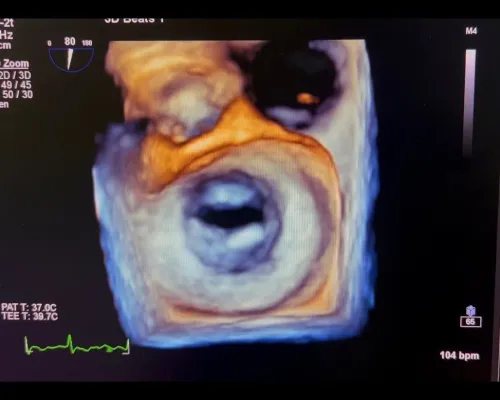
Transthoracic echocardiography is often the starting point. Some patients require transesophageal echocardiography, CT imaging or other specialised cardiac investigations.
Imaging helps answer important questions about valve size, defect dimensions, calcification, blood flow and nearby cardiac structures.
Accurate measurements are particularly important because devices used during structural procedures must match the patient's anatomy.
Why Multidisciplinary Assessment Matters
Complex structural heart disease often benefits from evaluation by a heart team rather than a single procedural decision.
The team may involve an interventional cardiologist, cardiac surgeon, imaging specialist, anesthesiologist and other physicians depending on the patient's condition.
This collaborative approach can help compare the risks and expected benefits of different treatment strategies.
When Should Patients Seek Evaluation
A structural heart assessment may be appropriate when a patient has significant valve disease, an identified septal defect, unexplained breathlessness associated with structural abnormalities or symptoms that continue despite medical treatment.
Symptoms such as progressive breathlessness, reduced exercise capacity, swelling, fainting or recurrent hospital admissions deserve medical attention, particularly when a valve disorder is already known.
Patients across Navi Mumbai, Maharashtra increasingly have access to advanced diagnostic pathways that can determine whether catheter-based treatment is technically feasible.
At Anahat Heart Center, Dr. Rajesh Matta evaluates patients requiring interventional cardiology and structural heart care. The value of Structural Heart Intervention lies in careful patient selection. Identifying the correct procedure requires detailed imaging, clinical assessment and comparison with other established treatment options.
Keywords