Severe aortic valve disease can gradually restrict blood leaving the heart and place increasing pressure on the heart muscle. When severe aortic stenosis begins causing symptoms, patients may experience breathlessness, chest discomfort, fainting or a marked decline in their ability to perform everyday activities.
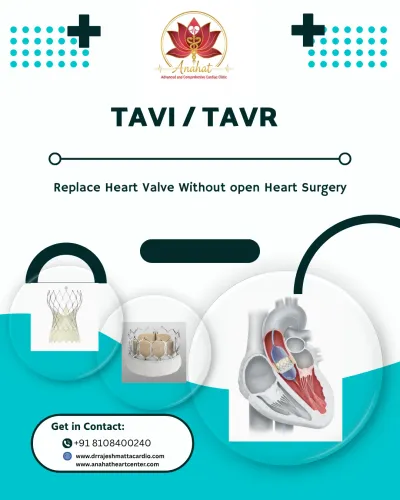
Transcatheter Heart Valve Replacement provides a minimally invasive treatment option for selected patients with severe aortic valve disease.
For families in Navi Mumbai comparing treatment approaches, the most important question is not simply whether transcatheter replacement is available. The key issue is whether the patient's anatomy, clinical condition and expected long-term benefit make the procedure appropriate.
How Transcatheter Valve Replacement Works
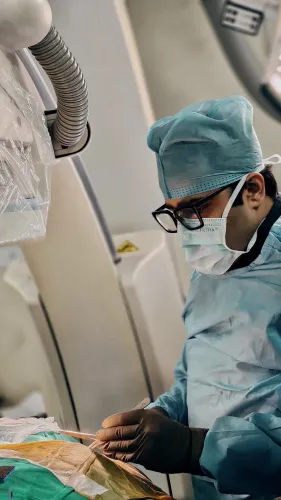
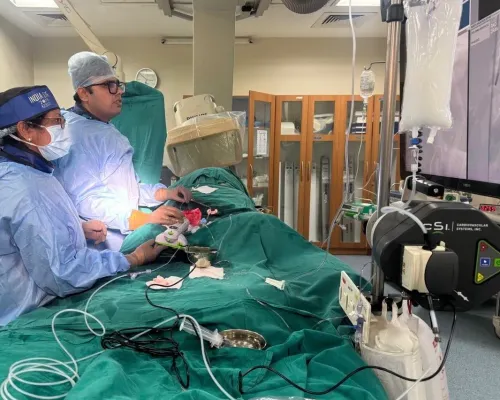
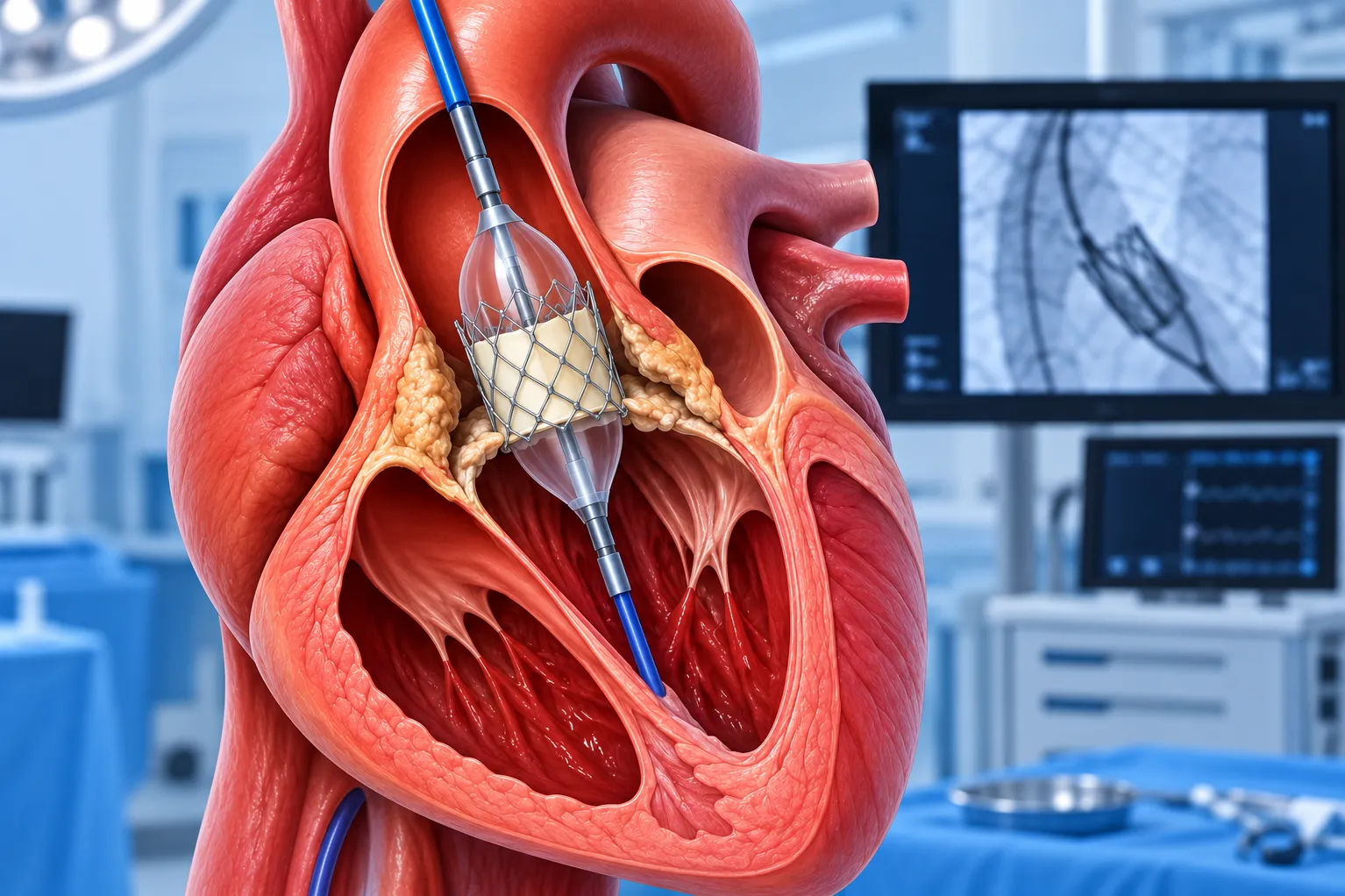
In a transcatheter procedure, a replacement valve is delivered to the heart using a catheter rather than through conventional open-heart valve replacement.
The catheter is commonly introduced through an artery and guided toward the diseased aortic valve.
The replacement valve is positioned within the existing valve. Once deployed, it begins functioning as the new pathway for blood leaving the heart.
Because the procedure avoids conventional open-chest valve replacement, recovery can differ significantly in appropriately selected patients.
How It Differs From Surgical Valve Replacement
Surgical aortic valve replacement remains an important treatment with established outcomes. Transcatheter replacement provides another option.
Choosing between them requires evaluation of more than age.
Doctors consider:
- Surgical risk
- Life expectancy
- Aortic valve anatomy
- Blood vessel anatomy
- Previous cardiac surgery
- Other valve disorders
- Coronary artery disease
- Need for additional cardiac surgery
- Expected valve durability
- Patient preferences after informed discussion
A younger patient with complex cardiac disease may have very different considerations from an older patient with isolated severe aortic stenosis.
Testing Before the Procedure
Detailed evaluation is necessary before treatment.
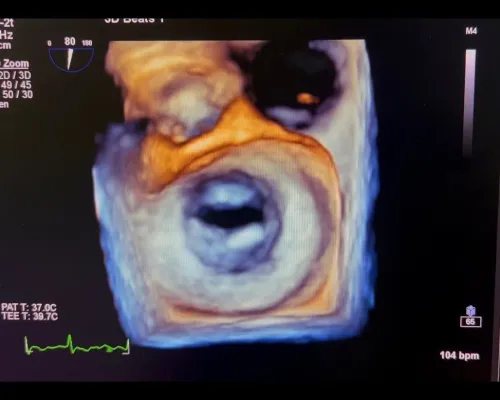
Echocardiography determines the severity of valve narrowing and evaluates heart function.
CT imaging can provide measurements needed for valve sizing and help assess the blood vessels through which the catheter may pass.
Coronary assessment may also be required.
Blood tests, ECG and evaluation of kidney function contribute to procedural planning.
What Benefits May Be Expected
For appropriately selected patients, successful valve replacement can improve blood flow across the aortic valve and reduce symptoms related to severe obstruction.
Many patients seek treatment because ordinary activities have become difficult due to breathlessness or fatigue.
However, improvement depends on the overall clinical picture. Symptoms caused by lung disease, severe frailty or other medical conditions may not completely resolve after valve treatment.
What Risks Should Be Discussed
Potential complications can include bleeding, vascular injury, rhythm disturbances, stroke, kidney problems, leakage around the implanted valve or the need for a permanent pacemaker in some patients.
The individual risk varies according to anatomy and medical history.
Patients should therefore avoid comparing their expected outcome directly with another person's experience.
Preparing for Specialist Evaluation
Bring previous echocardiograms, angiography reports, CT scans, medication lists and discharge summaries to the consultation.
For patients living in Navi Mumbai or elsewhere in Maharashtra, having follow-up care accessible after a complex valve procedure is also an important practical consideration.
Dr. Rajesh Matta evaluates patients for advanced interventional cardiac treatment at Anahat Heart Center. Transcatheter Heart Valve Replacement can provide an important treatment pathway for selected severe aortic valve disease, but appropriate imaging and heart-team assessment remain central to determining whether it is the right approach for an individual patient.
Keywords