The mitral valve controls blood flow between the left atrium and left ventricle. When it does not close properly, blood can leak backward each time the heart contracts. This condition is called mitral regurgitation.
Mild leakage may require monitoring rather than intervention. Severe mitral regurgitation, however, can contribute to progressive breathlessness, fatigue, enlargement of heart chambers and heart failure.
Transcatheter Mitral Valve Repair is a catheter-based treatment that may be considered for carefully selected patients with significant mitral regurgitation.
Why Mitral Regurgitation Develops
Mitral regurgitation can occur for different reasons.
Primary or degenerative mitral regurgitation results from abnormalities in the valve itself, such as damaged leaflets or supporting structures.
Secondary or functional mitral regurgitation develops when changes in the left ventricle prevent an otherwise structurally different valve from closing effectively. This can occur in patients with heart failure or cardiomyopathy.
Distinguishing between these mechanisms matters because treatment strategies can differ.
When Medication May Not Be Enough
Medication can be extremely important, particularly for patients whose mitral regurgitation is related to heart failure.
Appropriate heart-failure treatment may improve symptoms and sometimes reduce the severity of functional valve leakage.
However, patients with persistent severe regurgitation despite appropriate treatment may need further evaluation.
Symptoms that deserve reassessment include:
- Increasing breathlessness
- Difficulty walking familiar distances
- Reduced ability to exercise
- Swelling in the feet or legs
- Repeated heart-failure admissions
- Difficulty breathing when lying flat
- Persistent fatigue
These symptoms do not automatically mean a catheter procedure is required, but they can indicate progression.
How Transcatheter Repair Is Evaluated
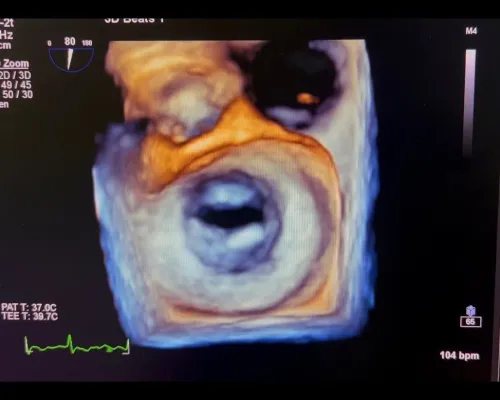
Echocardiography is central to assessment.
A detailed study helps determine the severity and mechanism of leakage. Transesophageal echocardiography may be needed to examine the valve anatomy more closely.
The interventional team considers whether the valve structure is suitable for catheter-based repair and whether reducing the leakage is likely to provide meaningful clinical benefit.
Other considerations include heart function, pulmonary pressure, associated valve disease, previous surgery and overall procedural risk.
What Happens During the Procedure
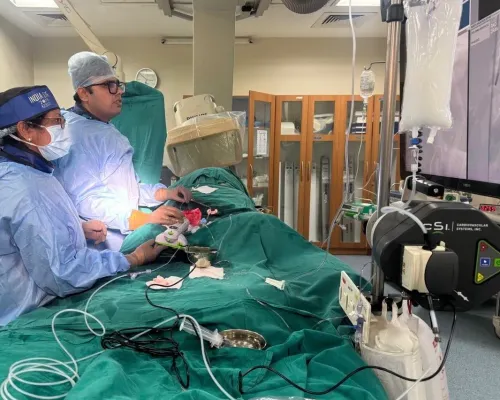
Transcatheter repair is performed through vascular access rather than conventional open-heart surgery.
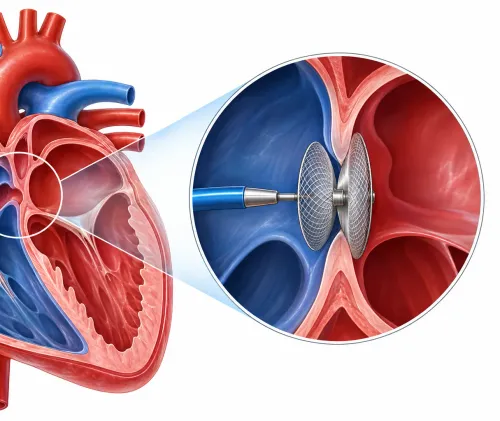
A catheter is guided toward the heart and a repair device is positioned to improve leaflet closure and reduce regurgitation.
Detailed echocardiographic guidance is required throughout the procedure because precise positioning is critical.
The procedure is not interchangeable with surgical mitral valve repair. Each approach has specific advantages and limitations.
Questions Patients Should Ask
Before deciding on treatment, patients can ask:
- What is causing my mitral regurgitation?
- How severe is the leakage?
- Is my current medical therapy optimised?
- Is surgery suitable for my condition?
- Does my valve anatomy permit transcatheter repair?
- What improvement can realistically be expected?
- What follow-up will be necessary?
These questions help distinguish technical eligibility from actual clinical benefit.
For patients in Navi Mumbai, Maharashtra, structural heart assessment can be valuable when severe mitral regurgitation continues to affect quality of life despite appropriate medical management.
Dr. Rajesh Matta provides evaluation for complex interventional cardiac conditions at Anahat Heart Center. Transcatheter Mitral Valve Repair should be considered through detailed imaging and individual risk assessment, with treatment selected according to the cause of the valve disorder rather than symptoms alone.
Keywords