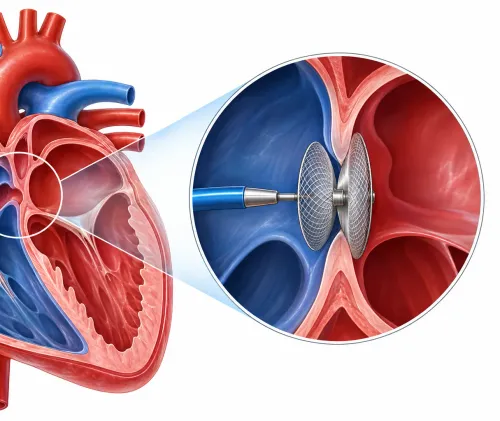
The tricuspid valve sits between the right atrium and right ventricle. When this valve leaks significantly, blood moves backward instead of flowing efficiently toward the lungs.
For years, tricuspid regurgitation was sometimes viewed mainly as a secondary finding accompanying other heart conditions. Greater understanding of the condition has highlighted the importance of evaluating severe tricuspid leakage, particularly when patients develop symptoms of right-sided heart failure.
Transcatheter Tricuspid Valve Repair represents an evolving minimally invasive treatment option for selected patients with significant tricuspid regurgitation.
Recognising the Problem
Tricuspid valve disease can progress gradually.
Patients may initially notice reduced stamina rather than obvious cardiac symptoms. As the condition becomes more significant, symptoms can include:
- Swelling of the legs or ankles
- Abdominal swelling
- Unexplained weight gain from fluid retention
- Fatigue
- Reduced exercise tolerance
- Breathlessness
- Prominent neck veins
- Repeated episodes of fluid overload
These symptoms can also occur with other cardiac, kidney or liver conditions, making proper diagnosis important.
Why Tricuspid Regurgitation Occurs
The valve itself may be abnormal, but significant leakage commonly develops because the right side of the heart becomes enlarged.
Pulmonary hypertension, left-sided valve disease, atrial fibrillation and heart failure can contribute to this process.
Cardiac device leads passing through the tricuspid valve can also affect valve function in some patients.
Treatment planning therefore begins by identifying the underlying mechanism.
Medical Treatment Comes First in Many Cases
Diuretics may be used to manage excess fluid and relieve congestion. Other heart conditions contributing to the problem should also be treated appropriately.
However, medication mainly controls symptoms and underlying contributors; it does not necessarily correct severe structural valve leakage.
When symptoms remain significant, specialist evaluation may determine whether a valve procedure should be considered.
Who Might Be Considered for Catheter-Based Repair
Eligibility cannot be determined from an echocardiography report alone.
A structural heart team evaluates factors such as:
- Severity of tricuspid regurgitation
- Valve leaflet anatomy
- Right ventricular function
- Pulmonary pressure
- Degree of heart enlargement
- Previous cardiac procedures
- Presence of cardiac device leads
- Other valve abnormalities
- Overall surgical risk
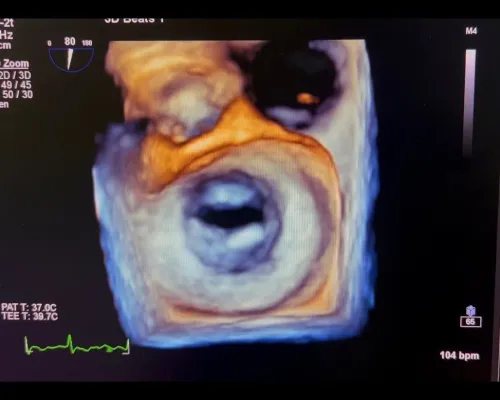
Advanced echocardiographic imaging may be necessary to assess whether a catheter-based repair device can be positioned effectively.
Why Timing Matters
Waiting until severe right ventricular dysfunction or advanced organ damage develops can limit treatment options.
At the same time, intervention should not be performed simply because an imaging report describes valve leakage.
The clinical impact, progression and likelihood of benefit all need consideration.
For patients in Navi Mumbai and the wider Maharashtra region, persistent swelling or repeated heart-failure episodes despite medical treatment can be a reason to request reassessment of known tricuspid valve disease.
Preparing for a Structural Heart Consultation
Bring recent echocardiography reports, hospital discharge records, medication details and information about any previous cardiac surgery or implanted pacemaker.
Patients should also describe changes in daily function. Difficulty climbing stairs, walking shorter distances or requiring increasing doses of diuretics can provide useful clinical information.
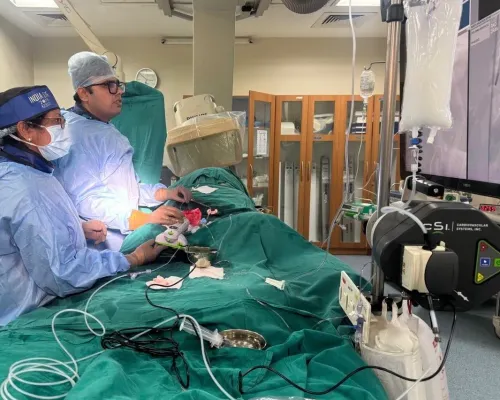
At Anahat Heart Center, Dr. Rajesh Matta evaluates patients requiring structural heart assessment and advanced interventional care. Transcatheter Tricuspid Valve Repair is not suitable for every patient with tricuspid regurgitation, but careful assessment can identify those for whom a catheter-based approach may offer a reasonable treatment pathway.
Keywords